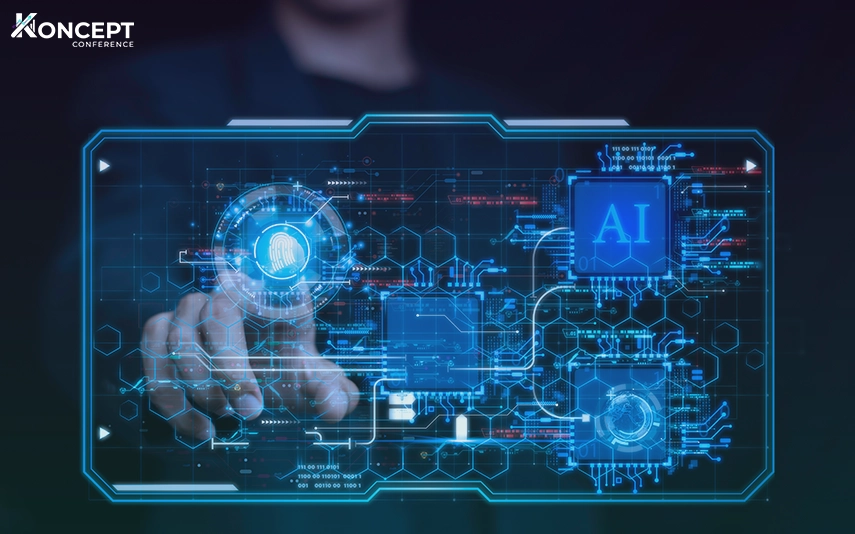
The End of Apps? AI Interfaces Could Replace Traditional Software
May 13, 2026
Summary: AI interfaces are changing the notions of what a digital interaction can be than ever before. Discussions around tech leadership conferences in Japan, Koncept Conference schedule, and Tokyo tech conference code reflect how businesses now focus on conversational systems instead of traditional apps. AI-powered interfaces that react in real-time, reduce screen time, and enhance personalization are desired by companies to make workflow easy to navigate.
Today technology companies are capable of not just offering standalone applications but a digital experience as well. Today's interactions with customers, jobs, shopping, and enterprises are catalyzed by AI interfaces that facilitate natural dialogues and anticipate action. Conversations at the tech leadership conference in Japan increasingly highlight how AI assistants reshape user behavior. Industry analysts reviewing the Koncept Conference schedule also point toward growing investment in voice systems, AI copilots, and adaptive interfaces.
The Reason Why Traditional Apps Are Under Pressure
If menus, dashboards, and manual navigation are relied upon, it is considered traditional software. Users frequently use a number of platforms when they are doing a simple task. AI interfaces smooth out the process by layering services together in one conversational interface.
Users can now communicate with AI systems, triggering the opening of applications to schedule meetings, send invoices, and keep track of projects, eliminating the need to manually do these tasks in 5 different apps. This change in the expectations of speed and usability.
Business owners are also aware of the positive impacts on operations. With AI interfaces, it can instantly do analysis on user intent, automate repetitive tasks, and instantly make recommendations personal to the user. These features enhance efficiency, but don't complicate the software.
AI Interfaces Create Smarter Digital Experiences
With AI systems, learning takes place during interaction, and over time they become more and more refined. Content is already being suggested through streaming apps, based on some behavioral patterns. Customer service platforms now anticipate customers' reports before it happens and resolve them on their own.
The developers also construct the AI layers with the ability to interact within ecosystems and not only be confined to the individual application. While these chats tend to focus on Japan's tech leadership conference and the development of cross-platform AI assistants, they can also shed light on how AI can change enterprise software in the next decade.
Several event organizers discussing the Tokyo tech conference code also emphasize interoperability as a major innovation priority. The systems that tie tools, databases, and communication platforms without requiring users to navigate between multiple interfaces repeatedly are crucial for businesses.
What the Future May Look Like?
In the future, digital ecosystems won't necessarily depend on downloadable applications but on intelligent assistants that will be able to coordinate services automatically. Consumers already have the urge to interact with things that have ease and swiftness. That's where AI interfaces come in, minimizing the need for cumbersome navigation and streamlining decision-making.
The concept of multimodal AI systems, integrating voice, text, video, and context into single experiences, is favored by technology leaders at the Tokyo tech conference Code. The idea of integrating voice, text, video, and context into a single AI-driven experience or user experience is being pushed a lot by technology leaders in the Tokyo tech conference code.
Conclusion
AI interfaces are pushing against the traditional software applications. Firms that get ahead of the curve could cultivate more customer-engaging experiences, more efficient operations, and more user-friendly digital environments.
Insights shared during the tech leadership conference in Japan reveal how rapidly organizations now embrace conversational technology and AI driven workflows. Brands that invest strategically in intelligent interfaces will likely shape the next generation of software experiences.
Join the future of innovation with the Koncept Conference and connect with global tech leaders shaping tomorrow.
FAQs
Why are AI interfaces replacing traditional apps?
An AI interface streamlines online interactions by merging various tasks into a single conversation. Users carry out actions quicker without having to go from application to application.
Which industries benefit most from AI interfaces?
AI-driven systems and workflow automation can be particularly beneficial in the fields of the healthcare industry, finance verticals, retail stores, education, and enterprise tech.
Do AI interfaces improve customer experience?
AI interfaces make response times quicker, personalize it, and make it more accessible. AI systems technology has the potential to provide more effective customer support and recommendations to businesses.
What are some of the obstacles to consider in implementing an AI interface?
Key issues that can influence organizations implementing AI interfaces are related to privacy concerns, inaccurate answers, integration challenges, and accessibility barriers.
Will traditional apps disappear completely?
Prior to this, going by every indication, there will still be a few years of traditional apps. Businesses can slowly and gradually transition towards an intelligent system that overlies the apps using a conversational layer.
Interesting Reads:
IT Leadership Conferences 2027: AI is the New Agenda for Tech Leaders
Networking to Deal-Making: The Changing ROI of B2B Tech Conference