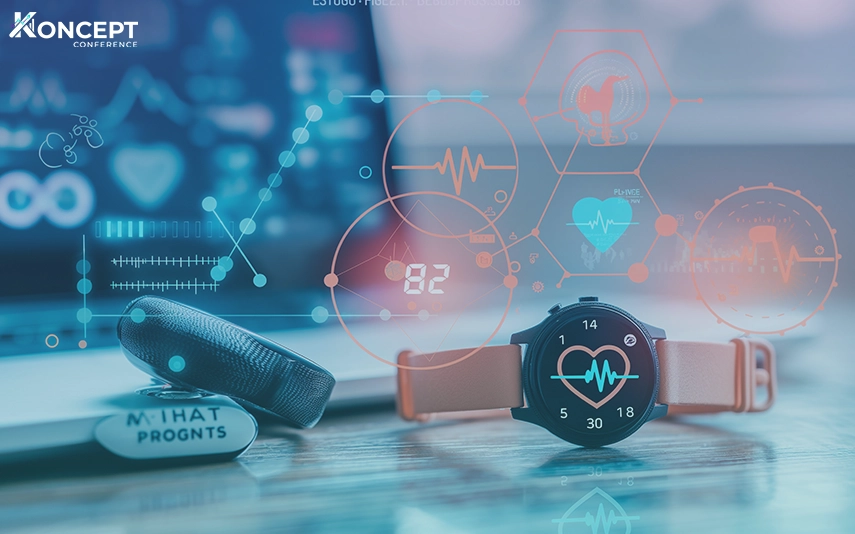
How Wearable Health Technologies Are Changing Preventive Healthcare
June 5, 2026
Summary: Wearable health technologies are revolutionizing preventative health, allowing people to monitor their health at all times, detect infections at an early stage and make better decisions about adopting a healthy lifestyle. These devices utilize AI and remote patient monitoring to deliver better patient results and efficiency in the healthcare industry. As technology evolves, wearables are increasingly becoming key enablers for building a proactive, personalized, connected healthcare environment.
Your body always speaks to you. This may include anything from a restless night's sleep, higher heart rate, or reduced activity levels – they can all be early signs of potential health issues. But all of these symptoms were once overlooked until some sort of medical problem progressed into a more serious stage. But current wearable health technologies are shifting that by enabling people to get real-time information about health.
In a rapidly progressing landscape of technologies in healthcare, the emergence of gadgets that can be worn by patients has emerged as a key resource in the fight against preventative healthcare. While the world of technologies in healthcare is constantly evolving, wearable devices have become indispensable tools in the fight against preventative healthcare, helping people make decisions before health issues arise.
The Rise of Wearable Health Devices
Health technology that can be worn on the body is much more than an old-fashioned step counter. Smart gadgets can track sleep quality, daily exercise, stress levels, blood oxygen levels and heart rate. They're convenient, easily available and liked by everyone, no matter how old. Most significantly, they believe in the importance of user activation in everyday life and not just during physician visits. Constant health data access is contributing to a more proactive attitude to personal health.
How Wearables Can Aid in Early Detection?
One of the most attractive advantages of the health wearable technologies is that they are capable of diagnosing potential health issues before the problem happens. A latent period commonly occurs in diseases like heart disease, sleep disturbances and diabetes, which makes them hard to identify at an early stage. Wearable health monitors gather health data all the time and trigger warnings to the wearer if they arise health issues. Early identification enables the person to receive medical attention early on, chances of treating it successfully are higher and risks of complications are minimised.
Encouraging Healthier Everyday Habits
Preventive health care providers aren't only identifying diseases; they're also constructing healthier lifestyles. Wearable tech encourages people to stay active, optimize their sleep patterns and learn to better control their stress. Daily reminder, wellness reports, activity goals make it more visible to individuals to make their own habits. When individuals are given the visibility of positive or negative consequences of their choices on their health, they are more motivated to make positive decisions. This lends features to wearables with their worth in health enhancements over extended periods.
Artificial Intelligence in Wearables
Wearable healthcare: artificial intelligence entering a new level. AI systems can process vast quantities of health data, which can help them detect trends that might not be evident otherwise. These systems don't just give information about current health indicators, but can also help predict risks in the future and offer tailored recommendations. With further advancements in AI technology, these wearables will be even more efficient as tools for preventive care and help users achieve their health goals over time.
Remote Patient Monitoring and Better Care
Wearable technologies also are revolutionizing healthcare providers' patient care. With remote patient monitoring, doctors can monitor important health metrics between appointments, without having to visit the patient in person too often! It is particularly helpful for patients with chronic conditions or who have undergone medical treatments. With continuous monitoring, healthcare providers can catch concerns before they occur and act on them when there is a need to do so. It is this progress that is driving improvements in efficiency, access to healthcare and patient-centred towards making the whole healthcare system more efficient, accessible and patient-centred.
Why Are Wearables a Global Healthcare Trend?
We have witnessed the rapid expansion of the wearable technology space, and it's a space for which the world is taking notice. These have been talked about by healthcare leaders, technology innovators, and policymakers at all of the key Global tech conferences. With the ability to help enhance patient outcomes, lower healthcare costs, and facilitate preventive care, it's no wonder that wearables are one of the most promising areas of innovation. Wearability is an ever-growing component of healthcare management and is expected to be an even more integral part of everyday use as the number of people adopting them continues to rise.
Innovation Discussions at Global Technology Events
At a prominent tech leadership conference in Japan, the future of wearable health tech is often discussed and demonstrated, with experts discussing new innovations and their implications for healthcare systems. These events feature a panel of healthcare, technology and policy experts in discussing opportunities and challenges. Issues like data security, artificial intelligence, and the transformation of the health system through IT remain at the center of the discussion on the future of preventive healthcare.
Role Of Technology Policies in Tourism
As wearable devices gather more and more personal health information, privacy and security issues are top priorities. Topics such as developing responsible policies for innovation and users' data security are often raised in technology conference policies in Japan. By implementing effective policies, wearable technologies can continue to be trusted, secure, and useful both for individuals and health care organizations. Innovation and regulation will continue to be key to the successful development of digital healthcare solutions.
Conclusion
The future of health care is wearable, offering the capability for continuous monitoring, to promote positive behavioral changes, to facilitate early detection, and to better empower patients. With the continuous advancement in technologies in healthcare, these devices will be utilized for the better part of the future for helping individuals take control of their health. Healthcare is moving towards being more proactive, personalized & connected...and there is a role for wearable technology.
Share and engage in discussions that will be the foundation of the technology that will be used in the future. Meet the world's leading innovators at Koncept Conference Tokyo 2027.
FAQs
1. What are "Wearable Health Technologies"?
Wearable health technologies are new electronic devices that track the health outcomes of individuals including blood oxygen, activity, sleep, and heart rate.
2. What are the pros and cons of physical computers?
They offer timely health information, allowing the user the opportunity to identify health risks at an early stage and take positive action with regard to lifestyle choices before too much damage is done.
3. Is wearable tech a substitute for visits to a doctor?
No. Wearable devices are enabling health monitoring but shouldn't supplant or substitute professional medical assessments and care.
4. What are the underlying principles for building AI innovations that significantly improve wearable health devices?
AI analyzes health information collected and uses it to identify patterns, predict risks, and offers individual health advice.
5. Why are wearable technologies important for healthcare providers?
These allow remote patient monitoring, enhance patient engagement, and aid clinical decision making.
Interesting Reads:
Technical Conference Tokyo and Healthcare + Global Vision Converge