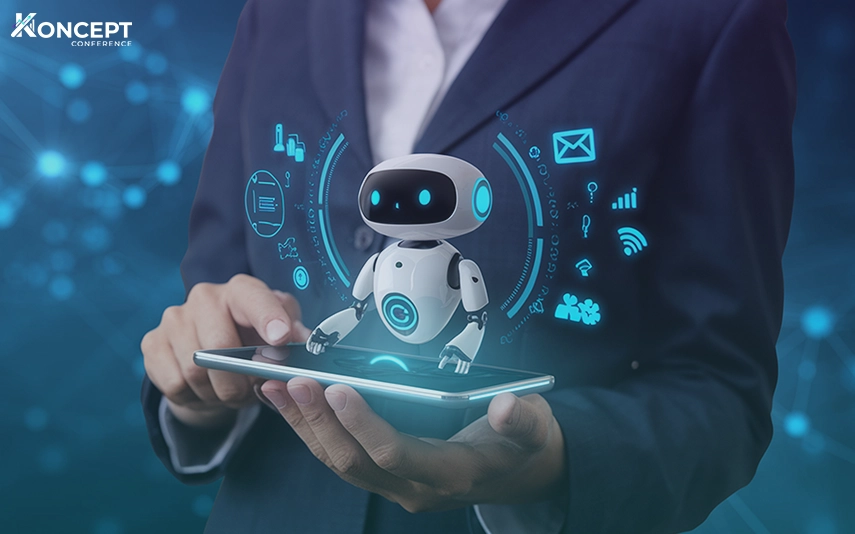
Personal AI Assistants with Memory: The Future of Digital Companions
June 10, 2026
Summary: Personal AI assistants with memory are reshaping how people interact with technology by delivering personalized and context-aware experiences. Discussions at innovation summits in Tokyo events and technical leadership conferences highlight the growing significance of these intelligent companions. Innovations showcased during innovation pitch competition in Japan sessions and a leading Japan tech conference demonstrate how memory-enabled AI may redefine productivity, communication, and everyday support.
Digital assistants are enhanced with the ongoing development of AI technology. Memorization AI can remember which things users prefer or dislike, how they communicate, their history, and more to offer more useful assistance. Top industry powers and innovators at Tokyo innovation summits and technical priority meetings will be focusing on responsible AI development. Experts participating in innovation pitch competition in Japan initiatives and major Japan tech conference events recognize memory-based AI as a transformative force in the technology landscape.
Understanding Personal AI Assistants with Memory
Personal AI assistants have memory and learn about the relevant information of the user and put it to use in upcoming interactions. These systems are meant to remember interests and priorities related to scheduling, including recurring meetings, people, or places. This capability uniquely provides seamless experiences and enhances over time.
Memory-enabled AI can develop context, unlike regular assistants, that act on each interaction individually. Users get a suggestion and help according to their needs. When organizations are considering these technologies, they talk with other technologists, technical leaders, and experts at technical leadership conferences about how to practically implement the technology.
How Memory Enhances Digital Companionship?
With the addition of memory, AI assistants are no longer just tools but become intelligent companions. These systems detect patterns in user behavior and make appropriate adjustments. They assist in organizing tasks in an effective manner and ensure that they continue to run through discussions.
The latest technology developments are sometimes discussed at innovation summits in Tokyo by researchers and industry. Memorized past interactions will make people more engaged, enhancing user satisfaction. With evolving AI systems, these systems must adhere to balance in order to satisfy personalized, but also transparent and ethical, data management standards.
Applications Across Daily Life and Business
AI-powered resources are enabled by memory, which is crucial for a wide range of applications, such as assisting business professionals, students, and consumers. They are able to organize calendars, give personalized support for learning, and help to find information.
There are also large opportunities that the businesses are aware of. Customer service platforms become more and more equipped with memory in order to tailor their interactions to their customers even more. Recent developments in the innovation pitch competitions in Japan highlight especially startups creating advanced AI associates for wellness solutions, educational functions, and task productivity.
Challenges That Need Attention
While there is significant development going on, there are privacy, data security, and user belief issues that developers have to deal with. Understanding data that is specific to individual requirements is key for memory-based AI systems. There should be a policy of organizations about the collection, retention, and control of the data.
Another challenge involves preventing inaccurate assumptions based on stored information. Developers ought to create a framework such that users have the ability to view, change, and erase memories as needed. Ethical AI principles are integral to the adoption of AI in sustainable development.
The Future of Digital Companions
The future with personal AI assistants with memory is expected to be a significant part of everyone's existence. They are able to see what you're going to need and offer you context-specific assistance, making them players that you can count on to be effective at increasing productivity.
Every innovation displayed in the tech programs of Japan's tech conferences has its influence on this technology. The evolution of innovation pitch competition in Japan initiatives shows how startup businesses and companies are seeking to create more innovative and user-friendly digital companions, which emphasize convenience and trust.
Conclusion
Personal AI assistants with memory represent a significant shift in human technology interaction. Their capacity to deliver personalized experiences creates opportunities across industries while introducing important ethical considerations. Insights from innovation pitch competition in Japan platforms and discussions at a prominent Japan tech conference indicate that memory-enabled AI will continue to influence future digital ecosystems.
Take your innovation to the global stage with Koncept Conference and connect with investors, enterprise leaders, and industry experts at Tech Horizons 2030.
FAQs
1. What are personal AI assistants with memory?
Personal AI assistants with memory are intelligent systems that are capable of keeping track of the user's preferences, history of interaction, and other contextual details to offer personalized assistance through time.
2. What is unique about a memory AI assistant versus traditional assistant?
Normal assistants act on individual requests and don't know anything about what they are doing. Memory-enabled assistants remember and provide more relevant and personalized experiences based on the interactions from earlier.
3. Which industries benefit from AI assistants with memory?
These technologies are now increasingly being used in a number of fields such as healthcare, education, customer service, enterprise productivity, and personal organization for enhanced efficiency and engagement.
4. What privacy concerns surround memory-based AI assistants?
Frequently users raise issues about information security, information keeping, and transparency. The user consent and data management controls need to be developers' first priority.
Interesting Reads:
The Coolest Technologies That Sound Fake but Actually Exist
How Wearable Health Technologies Are Changing Preventive Healthcare