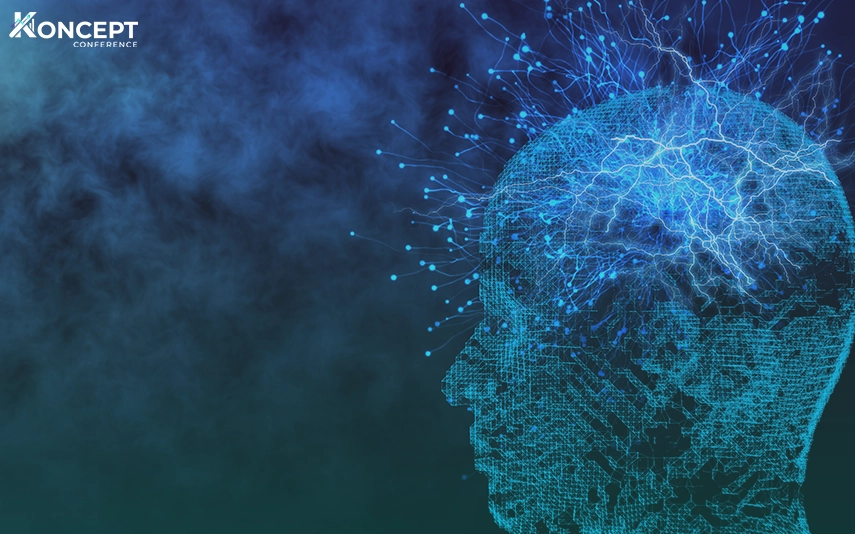
Neuromorphic Computing: Mimicking the Human Brain
June 5, 2026
Computers work very differently from the human brain but can also process information at incredible speeds. Scientists are still trying to find better methods for machines to learn, change, and adapt. This pursuit leads to neuromorphic computing, which is inspired by neuromorphic architectures and methods of information processing in human brains.
The brain processes and memorizes things at the same time, whereas traditional computer systems look into memory and processor cells. This design enables people to perceive patterns, learn about experiences, and make decisions using little energy. Researchers hope to duplicate these abilities in today's computers.
What Is Neuromorphic Computing?
Computer architectures that emulate neural networks found in biological brains. Systems that emulate neurons and synapses that communicate with each other with signals that mimic those between nerve cells.
Neuromorphic systems command information to work in parallel, not one by one as it happens in traditional computing systems. This method facilitates quicker pattern recognition and more efficient learning. Researchers believe such systems could improve how machines process sensory information, including images, sound, and touch.
Why Traditional Computing Faces Limitations?
For a variety of applications, traditional processors outperform others. But today's AI use cases require greater computational capabilities and energy usage. Data centers need significant resources for the training and operation of advanced AI models.
It creates interest towards neuromorphic computing with information being processed in a different way by brain-inspired architectures. A human brain consumes about 20 watts of power to do its calculations. If the efficiency of that can be duplicated, and just part of it is replicated, then there's a possibility of future computing technologies changing.
With the growing number of AI applications, there is a need for performance while keeping energy consumption low. The more applications that are created using AI, the more developers need solutions where they can deliver performance with minimal energy consumption. Neuromorphic systems are one viable route to this end.
How Brain Inspired Chips Work?
Neuromorphic chips consist of networks of artificial neurons that can communicate only when it is needed. This event-based design cuts down on uncalled-for calculations and helps save energy.
The neurons that receive the information activate and communicate with each other similarly to what happens in the brain. Such interactions enable machines to learn, recognize patterns, and adjust to varying situations. This architecture is proposed to better enable real-time learning than many traditional architectures do.
The other areas where energy efficiency is key are edge devices, for which neuromorphic computing is similarly well equipped. This functionality has the potential to be useful for smart sensors, autonomous systems, and wearable devices.
Potential Applications Across Industries
The field of brain-inspired computing still holds the interests of several sectors. Self-driving cars could in turn handle their environment more efficiently. Advanced pattern recognition techniques could be applied to enhance support for diagnostic processes in the healthcare sector. Adaptive behavior of robotics could be increased in dynamic environments.
They are also being applied in security systems, industrial automation, and scientific research. In the course of development, real implementations will increasingly be becoming evident.
Looking Ahead
The journey toward machines that learn and adapt like humans remains complex. Even so, Neuromorphic Computing represents a significant step forward. By borrowing ideas from nature's most efficient processor, researchers create opportunities for faster, smarter, and more energy conscious technologies.
With innovation going on, brain-inspired computing may have greater influence in future intelligent systems and AI.
Be part of tomorrow's breakthroughs at the Koncept Conference in Tokyo.
Interesting Reads:
How Tech Leaders Can Build Innovation Cultures Without Sacrificing Productivity?