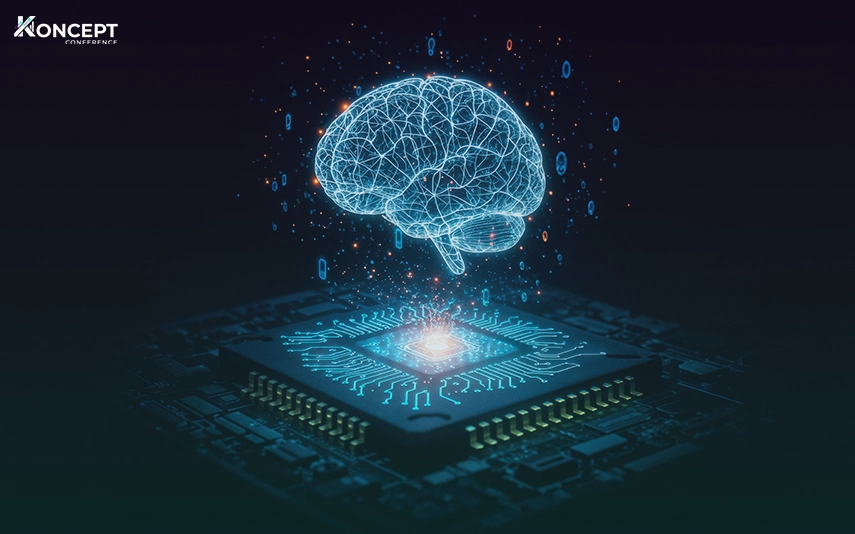
AI Memory Systems: Teaching Machines to Remember Like Humans
April 15, 2026
You interact with technology every day, and it keeps getting smarter. The real driver of this change is AI memory systems, which seek to assist machines in storing and recalling information in a more human-like manner. Machines are no longer processors of inputs; they also create context with time.
The systems begin to retain the past interactions, thus forming more meaningful responses. Such a transformation must transform the behavior of digital tools and make them less mechanical and more interactive.
Why Memory Matters in Artificial Intelligence?
Memory is of great importance in human intelligence. It is essential to learning, as it renders it profound and sustained. Similarly, AI memory systems require well-organized memory to enhance decision-making and personalization.
Context-saving machines that can remember and provide contextualized interactions should provide superior recommendations, fewer hiccups, and more useful results. This capability makes non-adaptive systems adaptive.
Types of Memory in AI Systems
To comprehend machine memories, it is beneficial to divide memory into types. Short-term and long-term memory models are commonly used as the basis of AI memory systems.
Short-term memory deals with new inputs and is useful in keeping systems in context when performing a task. Patterns and knowledge are stored in long-term memory over time and enable in-depth learning. These layers acting collectively are expected to simulate human processes of information processing and storage.
How Machines Learn to Remember?
Structured data storage and retrieval methods are used in teaching machines to remember. The AI memory systems are based on neural networks and embeddings to present information in an efficient manner.
Such systems must be able to structure information in a manner that would enable fast retrieval. Repeated exposure to the training models reinforces the memory pathways just like in human beings, where learning is enhanced through practice.
Real-World Applications of AI Memory
The influence of AI that is driven by memory is already felt in a number of industries. Virtual assistants and recommendation engines, AI memory systems enhance the user experience by changing according to behavior.
Patient history should be tracked in systems in healthcare to improve understanding. Tools are used in the educational field to tailor learning paths on previous performance. These applications show the way in which memory enhances machine intelligence.
Challenges in Building AI Memory Systems
Although there are improvements, development of trusted memory is tricky. AI memory systems must be able to balance between accuracy, privacy, and efficiency.
Having excess data is noisy, and having a small memory is limiting to usefulness. Relevant information should be filtered, and user data should be safeguarded in the systems. This is one of the challenges in striking a balance in innovation.
The Future of Machine Memory
With the advancement in technology, memory in machines will be more advanced. The AI memory systems need to shift to continuous learning whereby systems enhance knowledge in real time.
This development can result in the creation of machines, which can comprehend context over extended periods of time. These systems ought to be more human-friendlier to touch and feel, lessening the tension between humans and technology.
Conclusion
Machines are moving beyond simple computation. With AI memory systems, they begin to understand patterns, context, and history in ways that resemble human thinking.
The journey toward truly intelligent systems depends on how well machines learn to remember.
Join Koncept Conference Dubai 2026 and connect with global innovators shaping the future of technology.
Interesting Reads:
Brain-Computer Interfaces: Controlling Devices with Thoughts
API-First Development: The Unspoken Trend Driving Future Technology