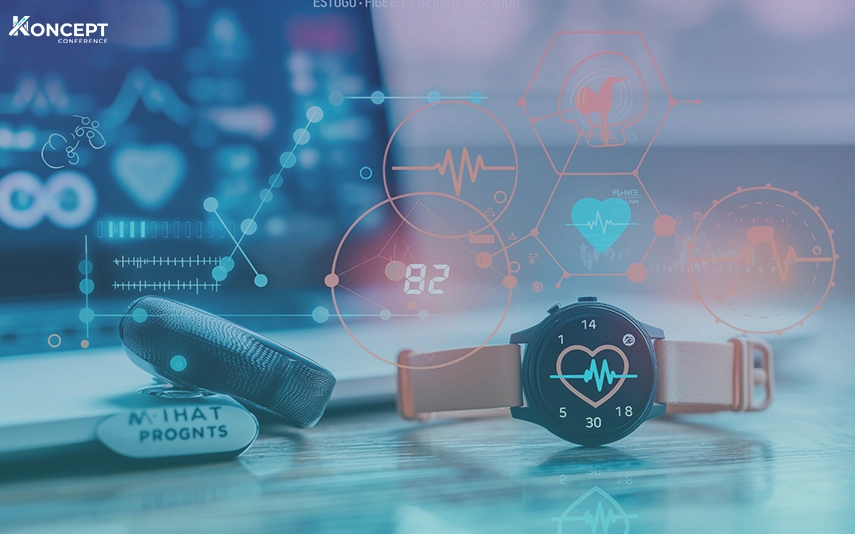
How Wearable Health Technology Is Transforming Preventive Care?
May 26, 2026
Summary: Health technology solutions transcended into the wearable sphere are transforming the way that we perform preventive care, allowing real-time monitoring of well-being, early detection of diagnosis and personalized health intelligence. These transformative technologies not only enhance the experience of patients but also contribute to reducing health risks, optimizing care delivery, and driving progress in today's technology trends in healthcare.
Healthcare of the future is not confined to hospital premises. It resides unobtrusively on wrists, in rings, to clothing, in daily routines. Warning or small vibration alert for irregular heartbeat. A device that monitors sleep patterns and tells if you are sleep-deprived. A smartwatch that backs the act of moving before extended periods of immobility begin to pose a threat to health. A smartwatch that promotes moving more before extended periods of motionlessness become a threat to health. Prevention is a part of everyday life with wearable health technology.
Wearable devices are at the helm of changing the paradigm of medicine from reactive to proactive care towards wellness. Rather than waiting until signs worsening, the health of the healthcare provider and the patient gets monitored very continuously and in real time. This transformation is transforming patient engagement, clinical choices, and the overall discourse on technology trends in healthcare.
Preventing Serious or Chronic Health Issues Is Getting Individualized
In conventional prevention, these two measures are typically taken: yearly health examinations and broadcast advice. The model is altered with wearable technology, which enables constant, personal health data.
For instance, someone with high blood pressure may be able to check how their blood pressure is changing on a daily basis, rather than having to wait to see their doctor every six months to have this measurement taken. A person who is prediabetic can monitor blood glucose levels on the fly. Recovery patterns, stress response and sleep efficiency will become clearer for athletes and professionals of work.
This personalization allows people to take a more active role in their health care, empowering individuals to actively engage in their health journey. The user has the options of changing his/her habits in a proactive way via props such as exercise, nutrition, hydration and stress management, instead of reacting to sickness.
Reason Why Early Detection Is So Important: It Saves Lives
Early disease detection is one of the most powerful attributes of wearable health technology. An ongoing process of monitoring can help detect the small changes that may not be noticed.
Previously, notifications for irregular heartbeat already assisted users in identifying irregular heart conditions they would not have been able to detect on their own. The sleep tracking measurement can uncover designates, which are linked to sleep issues or long-standing stress. Smart sensors can determine the early irregularity of respiration, facilitating more timely medical evaluation.
This affects not just users but others as well. The massive amount of data gathered from these wearables helps advance medical research and better understand public health trends and inform predictive healthcare models.
With an ageing population globally having increased patient expectations on their health services, preventive technologies can alleviate strain on the healthcare system by helping to avoid unnecessary hospital visits and allow intervention plans to be introduced at an earlier stage.
Artificial Intelligence and Data Analytics are Fueling Innovation
AI is pivotal in enhancing the value of wearable devices. The potential for transformation is maximized when AI makes sense of raw health data and provides actionable insights.
Heart rate variability (HRV) shifts can be identified by machine learning algorithms with greater precision and accuracy, as can abnormal sleep habits such as sleep-walking or being overly active during sleep, and the identification of triggers that can induce stress reactions. These facts enable doctors, and provide useful information to users based on their way of life.
At all international healthcare conferences, including the Tokyo tech conference schedule, many innovators underscore the significance of AI-driven preventive care systems. Now more and more start-ups or business enterprises are creating wearable systems by integrating biometric monitoring with virtual health care assistance.
This innovation also opens opportunities for healthcare professionals as attendees of the Japan tech conference delegate, where strategies are becoming more attuned to integrating wearable tech into the mainstream healthcare system.
Challenges Still Exist
While wearable healthcare tech has come a long way, there are still issues to solve. There is still a large amount of worry about data privacy and cybersecurity. Any medical information that is sensitive should be guarded from unauthorized access and misuse.
There is also another constant issue regarding accuracy. Numerous devices can offer useful information; however, this may not be a replacement for a medical-grade diagnosis. When the numbers do not go moving or an alarm goes off when they are not supposed to, it can also cause anxiety.
There is still lack of uniformity when it comes to accessibility. The development and use of advanced wearable devices may be costly, which poses a barrier for adopting these devices to populations that are less served. Preventive care needs to become standardized, cost-effective and accessible to a wider population, which will require the collaboration of healthcare providers and developers of technology.
The Future of Preventive Healthcare
Wearable health technology is not just about convenience; it's about the way healthcare is done. What is likely to come in the future are better biosensors, health monitoring at a distance, and artificial intelligence-based health assistants that are able to predict health problems much before the patient would ever experience them.
Healthcare is increasingly making the transition towards data-driven, personalized, connected preventive care. Wearable technology will remain a pivotal force as health and well-being systems transform over time to meet changing requirements in reducing stress and enabling people to live longer, healthier lives.
Passive healthcare is no more. It gives way to a new paradigm in which technology is working in the background to promote human health on a daily basis. Visit at - Koncept Conference
FAQs
1. What does the phrase 'wearing technology' mean?
Wearable health technologies involve smartwatches, fitness trackers, and biosensors, which track health metrics including blood oxygen levels, activity levels, sleeping patterns, heart rate, and more.
3. What are the advantages of using wearable devices?
These devices allow for ongoing health surveillance, empowering end users to detect health risks and make healthy lifestyle changes early rather than late, before health conditions exacerbate.
3. Is there uniformity & consistency in wearing health devices?
A lot of wearable technologies offer quality general health information, but should be used in addition to, rather than instead of, standard clinical assessments and diagnosis.
4. Why the wearable technology's role in healthcare extremely important?
These help patients to stay engaged, provide for remote monitoring, facilitate early detection, and incorporate meaningful health information to guide tailored treatment strategies.
5. What is an edge computer in the context of AI?
The data gathered from wearables is analyzed by AI to detect trends in health and predict future conditions for the individual, providing real-time personalized wellness recommendations.
Interesting Reads: