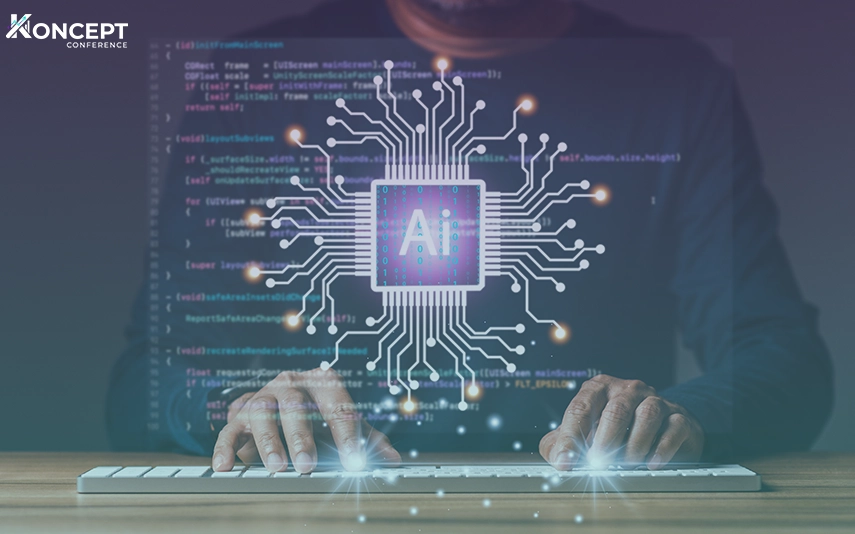
Why AI-Native PCs Are Different from Traditional Computers
June 9, 2026
Personal computing continues to evolve with every major technological shift. Whether it's desktop computers, laptops, or connectivity to the internet, every step brings in a new way of people interacting with technology. Now, a new transformation is taking the center stage with AI-Native PCs, where artificial intelligence is not a feature but a major function.
These new machines process intelligent workloads on the device, in contrast to many traditional systems, which largely rely on external machines to carry out these advanced artificial intelligence workloads. This change likely will reimagine productivity, security, and everyday digital experiences.
Understanding the Foundation of AI-Native PCs
The emphasis of traditional computers is on general computing tasks. They generally manage web browsing, document making, media consumption, and software applications, they use one or more processors and graphics units.
AI Native PCs are the exception. They come with special hardware that boosts the performance of AI workloads. Such systems usually employ dedicated processing units to perform AI calculations with minimal impact on other parts of the system.
With the incorporation of AI tools into daily workflows, devices that provide quick responses and seamless performance are essential. This need has resulted in the increasing attention towards the development of AI-oriented computing.
Built for Artificial Intelligence from the Ground Up
A traditional computer has an ability to effectively execute AI applications, but in most cases, it requires advanced processing, which entails cloud hardware. Data is sent to the farthest-away servers; they analyze it, and then the results are sent back.
AI-native PCs alleviate this reliance by handling many of the tasks of AI on board. This design will make it more responsive and give a smoother user experience. Tasks including content generation, language support, image enhancement, and workflow automation are more at home in normal computer user tasks.
This is a breakthrough in architecture since artificial intelligence is not considered as an extra tool to be added to the system but as its groundwork.
Improved Privacy and Data Control
As data continues to grow in volume, so do concerns for data privacy for individuals and organizations. There are more security concerns when information is transferred from devices to the cloud and from the cloud to devices.
With AI-Native PCs, many AI operations stay on the device itself. Documents that require less external processing include sensitive documents, personal notes, and business information. This can lower risks of exposure and enable you to have more control over valuable data.
One advantage of local AI processing is that it is appealing to the users who care about privacy.
A New Level of Productivity
Productivity tools continue to become smarter. Supporting writing, content summarization, organization of the work, and smart search have become a significant part of everyday working life.
The AI-native PCs are engineered to enable them to persist throughout. The system incorporates all the intelligent functions into the operating environment without making AI an independent application.
This allows users to become more efficient in repetitive activities and increase their time for creative and strategic activities.
Energy Efficiency Matters
Modern computing is no longer defined by performance. Energy efficiency is paramount in today's era and with the increasing requirements of AI workloads.
The consumption of extra resources using a traditional system for complicated AI operations. This is where dedicated AI hardware comes in, and helps to accomplish particular jobs more efficiently.
Also, many AI-native PCs have been built to strike a balance between performance and energy cost to ensure that their devices remain responsive and the battery lasts longer.
The Future of Personal Computing
Trends in technology indicate that artificial intelligence (AI) is going to be a part of the mainstream computing experience. Intelligent capabilities to deliver added value to the user are becoming more and more important in operating systems, in applications, and in digital services.
AI-native PCs serve as the catalyst and are placed at the heart of this change. Their alternative design allows them to be used for developing software that will evolve as the users' needs change and provide opportunities for greater customization and user-friendliness of software technologies.
These systems, as AI continues to develop, could be the user's preferred alternative to computing solutions that are faster, smarter, and more secure.
Conclusion
AI-native computing marks an important step in the evolution of personal technology. While traditional computers remain highly capable, AI-Native PCs introduce a design philosophy that places artificial intelligence at the heart of the user experience.
From improved privacy and stronger efficiency to seamless productivity enhancements, these devices offer a glimpse into the future of computing. As intelligent technologies become more integrated into daily life, AI-native systems may shape how people work, create, and interact with digital tools for years to come.
Network, learn, and innovate alongside industry pioneers at Koncept Conference.
Interesting Reads:
The Future of Cinema Is Artificial Intelligence
Why Serverless Architecture Is Becoming the Backbone of Modern SaaS?